Blot, do not rub. Work from the outside of the spill inwards. Use a white cloth so you can see what is transferring, and use as little liquid as possible.
Almost every permanent carpet stain started as a fresh spill that someone scrubbed. Speed matters more than product: a spill dealt with in the first minute usually comes out completely, while the same spill twenty minutes later may not.
The first sixty seconds
- Lift solids with a spoon or blunt knife, scraping inwards toward the centre
- Blot liquid with a dry white cloth or kitchen roll. Press firmly and hold for several seconds. Do not wipe
- Keep moving to a clean part of the cloth until no more transfers
- Only then apply anything
Rubbing does two things, both bad. It spreads the spill outwards into clean fibre, and it distorts the pile, leaving a fuzzy patch that remains visible even after the stain itself is gone.
The general-purpose solution
For most water-based stains, mix:
- 1 teaspoon washing-up liquid
- 1 tablespoon white vinegar
- 500ml warm water
Apply a little to a cloth rather than pouring it onto the carpet, and blot repeatedly, changing cloth faces often. Always finish by blotting with plain water to rinse, then dry with a clean towel weighted down.
The rinse step is not optional. Detergent residue left in the fibre is sticky and attracts soil, so an untreated spot becomes visibly dirtier than the surrounding carpet within weeks.
By stain type
Red wine
Blot immediately. Do not pour white wine on it, which is folklore and simply adds a second liquid to remove.
Use the general solution above. For a dried wine stain, a specialist oxidising stain remover is usually needed. Test on a hidden area first, since oxidisers can lighten some dyes.
Salt does absorb some fresh wine, but it also drives colour deeper if left, so blot first and only use it as a short-term measure if you cannot treat properly straight away.
Coffee and tea
Blot, then use the general solution. Coffee and tea both contain tannins that often leave a yellow-brown cast after the bulk lifts. That residue responds to an oxidising treatment, tested first.
Milky coffee also has a protein element, so use cool rather than hot water. Heat sets protein.
Blood
Cold water only. Heat coagulates the protein and sets it permanently, which is the single most important thing to know about blood.
Blot with cold water, or cold water with a little salt. On a colourfast synthetic carpet, a small amount of hydrogen peroxide works well, tested first. Never use warm water.
Pet urine
Blot as much as possible, pressing hard with paper towel. Standing on a thick pad of towel draws far more up than hand pressure.
Then use an enzymatic cleaner. This matters and it is not marketing. Ordinary detergents remove the smell temporarily but leave uric acid crystals in the fibre, and those crystals reactivate whenever humidity rises, which is why the smell returns on damp days weeks later.
Apply enough to reach as deep as the urine went, which is usually further than the visible mark. Leave it for the time on the label, often several hours, and do not blot it dry immediately, because the enzymes need to stay wet to work.
Never steam clean a urine stain before treating it. Heat sets the proteins and makes the odour permanent.
Pet vomit
Lift solids, blot, then treat as a protein stain with cool water and an enzymatic cleaner.
Stomach acid can bleach carpet dye, so if a pale mark remains after the stain is gone, that is dye damage rather than residual stain, and cleaning will not fix it.
Grease and oil
Do not add water first. Sprinkle bicarbonate of soda or cornflour over it and leave for fifteen minutes to absorb, then vacuum. Repeat if needed.
Only then treat any remaining mark with a small amount of washing-up liquid solution, which is a mild degreaser.
Ink and biro
Dab with isopropyl alcohol on a cotton wool ball, working inwards. Change the cotton wool constantly, because a saturated ball just moves ink around.
Do not saturate the carpet, since alcohol can carry the ink through to the backing where it wicks back up later.
Mud
Let it dry completely. Wet mud smears and drives deeper into the pile.
Once dry, break it up and vacuum thoroughly, then treat any remaining mark with the general solution.
Candle wax
Cover with a clean cloth or brown paper and apply a warm iron briefly. The wax melts and transfers into the cloth. Move to a clean area of cloth and repeat.
Take care with synthetic carpet, which melts. Use the lowest setting that works and keep the iron moving.
Chewing gum
The opposite approach. Freeze it with an ice pack in a bag until brittle, then shatter and pick the pieces out.
Nail varnish
Non-acetone remover on a cloth, dabbing, tested first. Acetone damages some synthetic fibres and can dissolve carpet backing adhesive.
Curry and turmeric
Notoriously difficult, because turmeric is a strong dye. Treat with the general solution, then consider an oxidising treatment. Sunlight fades turmeric stains over time, which is occasionally useful.
The mistakes that make stains permanent
Rubbing. The most common and the most damaging.
Too much liquid. Over-wetting pushes the stain into the backing and underlay, where it wicks back up to the surface as it dries. This is why a stain sometimes reappears a day later looking worse than before.
Hot water on protein stains. Blood, milk, egg and vomit all set with heat.
Bleach or bleach-based sprays. Removes the carpet dye along with the stain, leaving a permanent pale patch that cannot be fixed short of a patch repair.
Not rinsing. Detergent residue attracts soil, so the spot becomes a permanent dirty patch.
Skipping the patch test. Test any product on a hidden area, an offcut or inside a wardrobe first, and let it dry fully before judging.
Mixing products. Using three different removers in sequence creates a chemical mess that a professional will struggle to correct.
Wicking, and how to deal with it
If a stain reappears after drying, the spill reached the backing and is drawing back up as moisture evaporates.
The fix:
- Re-dampen the area lightly with plain water
- Place a thick pad of white towels over it
- Put a weight on top, a stack of books works
- Leave overnight
The moisture and remaining stain transfer into the towel rather than to the surface of the pile. It may take two attempts.
When to call someone
- The stain covers a large area
- It is on wool or a natural fibre such as sisal or jute
- It is pet urine that has soaked in, or there are multiple spots
- The carpet is new, expensive or under warranty
- You have already tried several products, since mixed residues complicate professional treatment
- The stain has been there for months
- There is any doubt about the fibre type
Be realistic about outcomes. Bleach marks, some medicines, strong dyes and sun fading are permanent damage rather than stains, and no cleaning removes them. A good technician will tell you that before starting rather than after taking payment.
Frequently asked questions
Does club soda work on red wine? It is mostly the blotting that works. Plain water does much the same job.
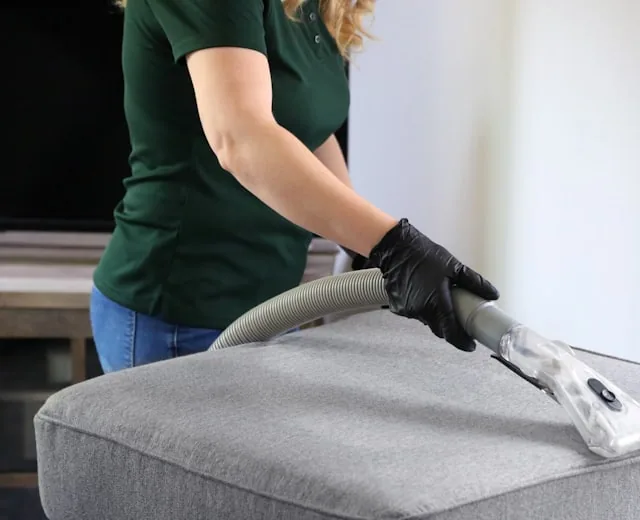
Is a wet vacuum better than blotting? For large spills, yes, provided you do not over-wet afterwards.
Can I use a steam cleaner on stains? Not on protein or urine stains, where heat sets them permanently. On other stains it is usually fine after pre-treatment.
What should I keep in the house? White cloths, washing-up liquid, white vinegar, bicarbonate of soda, an enzymatic cleaner if you have pets, and isopropyl alcohol.
Why did the stain come back? Wicking from the backing. Re-dampen and use a weighted absorbent pad overnight.